The Physical Recorder from an Era Ending
Jan 16, 2026
The Physical Recorder from an Era Ending
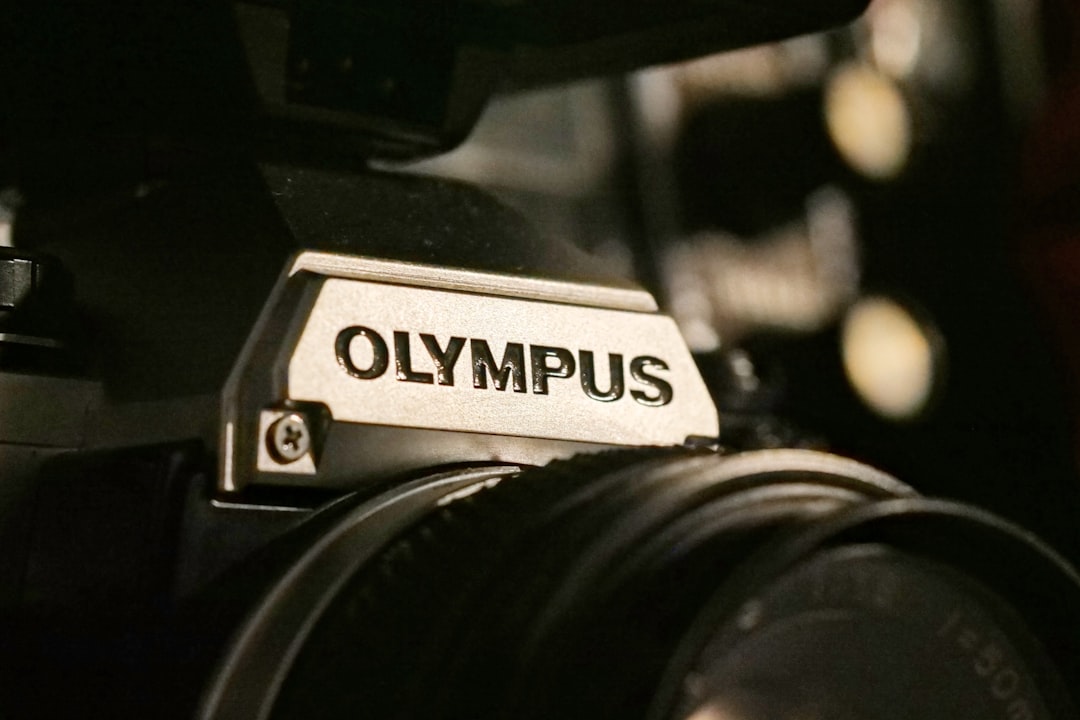
Olympus dictation recorders are handheld physical devices attorneys and physicians speak into for recording audio that someone else transcribes later. The DS-series (DS-9500, DS-7000, DS-3500) represents professional dictation hardware from the pre-AI transcription era.
People searching "Olympus dictation recorder" in 2026 are usually maintaining existing workflows at legal practices and medical offices that never upgraded to direct AI transcription.
What Olympus Recorders Actually Are
Olympus DS-series digital recorders are handheld devices with:
Built-in microphones for voice recording. Professional-grade audio capture optimized for speech.
Physical buttons for record, stop, pause, delete. Tactile controls attorneys and physicians who dislike touchscreens prefer.
Removable SD cards or USB connectivity. Transfer audio files to computers for transcription.
Battery operation. Work without power cords or charging between uses for extended periods.
Integration with Olympus Dictation Management System (ODMS). Software for managing dictation workflows.
These are purpose-built dictation recording devices, not general audio recorders. Designed specifically for the dictate-transfer-transcribe workflow.
Olympus Recorder Pricing
Olympus DS-series recorders cost:
DS-3500 (entry professional): Around $200-250.
DS-7000 (mid-range): Around $300-350.
DS-9500 (high-end): Around $400-450.
Plus ODMS software licenses ($100-300) for workflow management.
Plus transcriptionist costs (typically $20-40 per hour).
Total investment: $300-750 initial hardware/software, then ongoing transcriptionist fees.
Why This Workflow Became Obsolete
The dictate-into-recorder-for-transcription workflow made sense when speech recognition was inaccurate. Human transcriptionists produced better results than 1990s-2015 dictation software.
AI transcription in 2026 achieves 96-98 percent accuracy immediately without training. That's comparable to or better than human transcriptionist accuracy while providing instant results instead of hours or days delay.
The workflow Olympus recorders support - recording audio for manual transcription - is slower and more expensive than direct AI transcription for most users.
What Replaced Olympus Recorders
Modern dictation workflow: Speak directly into documents using AI transcription on computers or phones. Words appear immediately. No physical recorder, no file transfer, no waiting for transcriptionists.
I use Dictation Daddy for everything - legal documents, medical notes, articles, all writing where people used to record for transcription. I have obvious bias (I built it), but the workflow changed completely:
96-98 percent accuracy means text appears as I speak. No recording device, no audio file management, no transcriptionist delays.
Automatic formatting. Punctuation and paragraphs added intelligently.
Available on Mac, Windows, iPhone, Android, and Chrome extension. The apps don't sync between devices, but dictation works everywhere. Under 100 dollars per year. For enterprises needing SOC2 or HIPAA compliance, there's a dedicated plan.
Cost comparison: Olympus recorder ($300) plus ODMS ($200) plus transcriptionist ($20-40/hour) versus AI transcription under $100 per year with immediate results.
When Olympus Recorders Still Make Sense
Olympus recorders remain relevant for:
Established legal practices with transcription departments. Attorneys dictating into recorders, secretaries transcribing. The workflow exists and switching costs are high.
Physicians who prefer physical recorders. Some doctors hate computer dictation. They want the tactile feel of handheld devices.
Offline recording in environments without connectivity. Olympus recorders work anywhere without internet. Field attorneys, rural physicians.
Users maintaining existing Olympus infrastructure. Already own recorders, already paid for ODMS, transcriptionists already trained.
These are narrowing use cases as direct AI transcription becomes standard.
The Hidden Costs of Recorder Workflow
Olympus recorders seem like one-time purchases. Total cost reveals different story:
Initial: Recorder ($300) plus ODMS software ($200) = $500.
Ongoing: Transcriptionist time ($20-40 per hour).
For attorney dictating 10 hours monthly:
Transcriptionist cost: $200-400 per month.
Annual transcription cost: $2400-4800.
Plus time delay: Hours or days between dictation and receiving typed documents.
AI transcription at under $100 per year provides immediate results without transcription fees. First year savings: $2300-4700 annually.
The Quality Question
Olympus recorders produce excellent audio quality. That's not the issue.
The issue is whether excellent audio quality for manual transcription makes sense when AI achieves 96-98 percent accuracy transcribing directly from microphone input.
High-quality audio recording for human transcription versus adequate-quality microphone for AI transcription. The latter is faster and cheaper for most users.
The Uncomfortable Truth
Olympus dictation recorders are excellent devices for a workflow that's obsolete for most users. The record-transfer-transcribe workflow made economic sense when human transcriptionists were more accurate than speech recognition.
AI transcription at 96-98 percent accuracy matches or exceeds human transcriptionist accuracy while providing immediate results at fraction of ongoing cost.
For organizations with established transcription workflows and staff, switching costs may exceed benefits. The infrastructure exists and works.
For individuals and practices considering dictation workflows in 2026, buying Olympus recorders and hiring transcriptionists is adopting outdated technology. Direct AI transcription provides faster results at dramatically lower cost.
Olympus recorders work well. The question is whether the workflow they enable makes economic sense when AI transcription provides comparable accuracy immediately without transcriptionist costs.
Last updated: January 16, 2026, verified with current Olympus recorder pricing and dictation workflows