
The 300 Dollar Olympus Recorder Gathering Dust
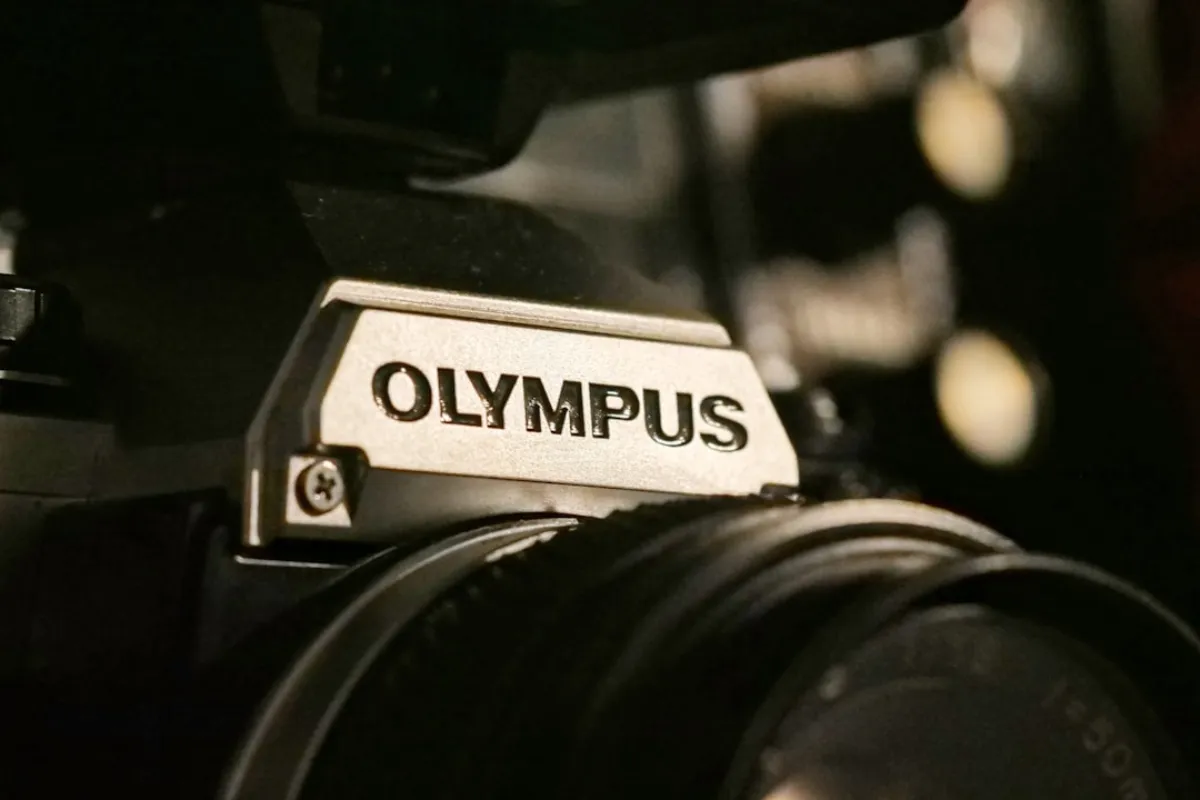
The 300 Dollar Olympus Recorder Gathering Dust
I bought an Olympus DS-9500 dictation recorder in 2018 for 280 dollars. It came in a nice case, had excellent build quality, and was marketed as the professional standard for dictation.
I used it for about four months before switching back to my iPhone.
The Olympus hardware wasn't the problem. The audio quality was excellent, the battery lasted forever, and the physical buttons made it easy to control recording. The problem was everything else about the workflow in 2026.
What Olympus Dictation Actually Means
When people search for "Olympus dictation," they're usually looking for one of Olympus's dictation products:
Olympus DS-9500 or DS-9000. Professional-grade handheld digital recorders. 250-350 dollars. DSS Pro file format, slide switches for recording control, premium build quality.
Olympus RecMic. USB microphone that looks like a handheld recorder. 250-300 dollars. Connects to your computer, works with Dragon or other dictation software.
Olympus Dictation Management System (ODMS). Software for managing audio files recorded on Olympus devices. Routes dictation to transcriptionists, integrates with workflow systems.
These products were designed for a workflow that assumed you record audio files, transfer them somewhere, and either transcribe them yourself with Dragon or send them to human transcriptionists.
That workflow is obsolete in 2026.
Why Olympus Dominated Dictation Hardware
For about 20 years (1995-2015), Olympus was the gold standard for dictation hardware. Here's why:
Dragon NaturallySpeaking worked best with DSS (Digital Speech Standard) files. Olympus devices recorded in DSS format, which Dragon was optimized for. Better file format compatibility meant better transcription accuracy.
Professional build quality. Olympus recorders felt substantial, had excellent microphones, and lasted for years. The slide switches and physical buttons made operation easy even without looking.
Battery life that lasted weeks. A single AAA battery could power an Olympus recorder for 30-40 hours of recording time.
Integration with transcription workflows. Law firms, medical practices, and businesses used Olympus recorders with ODMS software to route dictation to secretaries or transcription services.
The equipment was excellent for the workflow it was designed for.
Why That Workflow Doesn't Make Sense Anymore
AI dictation eliminated most of the reasons to buy Olympus hardware:
File format doesn't matter. Modern AI dictation works with any audio format - M4A from iPhones, MP3, WAV, whatever. Dragon's DSS optimization is irrelevant when you're not using Dragon.
Smartphone audio quality is excellent. iPhone and Android microphones are good enough for accurate AI transcription. The difference between Olympus recorder audio and smartphone audio is minimal for AI accuracy.
AI transcribes immediately. The workflow of recording audio files, transferring them, and either using Dragon or sending to transcriptionists is obsolete. AI dictation transcribes as you speak with 96-98 percent accuracy.
Cloud-based AI works directly in apps. You don't record files and transfer them. You dictate, transcription appears, done.
Spending 300 dollars on dedicated hardware to record audio files that you'll transcribe with AI makes no sense when your phone does the same thing.
What Actually Makes Sense in 2026
For dictation in 2026, here's what actually works:
Your smartphone with AI dictation. I switched to Dictation Daddy (I have obvious bias, I built it). 96-98 percent accuracy without any training required. Automatic formatting - punctuation, new lines, and paragraphs added intelligently without voice commands.
You can still use formatting commands like "new line" or "comma" when needed, but the AI handles most formatting automatically. False starts and self-corrections are handled naturally.
Technical terminology works immediately. Medical terms, legal jargon, industry vocabulary all work from day one without training. Dragon required weeks of corrections to learn specialized vocabulary.
Available on iPhone, Android, Mac, Windows, and Chrome extension. The apps don't sync between devices, but you have dictation wherever you're working. Under 100 dollars per year. For enterprises needing SOC2 or HIPAA compliance, there's a dedicated plan.
No special hardware required. Your smartphone microphone is good enough. If you want better audio quality at your desk, a 30-50 dollar USB microphone (Blue Snowball, Audio-Technica ATR2100) works great.
Total cost: Under 100 dollars per year for software, optionally 50 dollars for USB microphone. Versus 300 dollars for Olympus recorder plus Dragon at 500 dollars plus weeks training Dragon.
When Olympus Equipment Still Makes Sense
Olympus dictation hardware still makes sense in specific situations:
Large organizations with existing ODMS infrastructure. If your law firm or medical practice has dedicated transcription staff and IT systems built around Olympus recorders and ODMS software, don't disrupt what's working.
Users who strongly prefer physical devices. Some people genuinely find handheld recorders more comfortable than smartphones. That's a valid personal preference.
Extreme battery life requirements. If you're recording for 8+ hours daily in environments where you can't charge, Olympus recorders still have better battery life than smartphones.
Need for offline local recording. Olympus recorders work without internet or cloud services. For highly confidential work or remote locations, this matters.
Those are increasingly niche use cases. For most users, spending 300 dollars on dedicated hardware that does what your phone already does makes no economic sense.
What I Actually Use Instead
After using an Olympus DS-9500 from 2018 to 2024, here's my current setup:
Dictation Daddy on my iPhone for on-the-go dictation. The AI achieves higher accuracy (96-98 percent) than Dragon after Dragon's months of training. Automatic formatting means I focus on content instead of saying "period comma new paragraph" constantly.
The audio quality from my iPhone is good enough. The accuracy difference between iPhone audio and Olympus recorder audio is non-existent with AI transcription. AI handles both equally well.
USB microphone at my desk (Blue Yeti, 100 dollars) for better audio quality when dictating long documents. But honestly, laptop microphone works fine too.
The workflow is simpler. No recording files, no transferring to computer, no managing audio file libraries. Dictate, transcription appears accurately, done.
The Uncomfortable Reality
Olympus makes excellent dictation hardware. The DS-9500 is beautifully built, sounds great, and will last for years.
But excellent hardware designed for an obsolete workflow is still obsolete.
The workflow that needed Olympus recorders (record DSS files, transfer to computer, transcribe with Dragon or send to transcriptionists) made sense when Dragon needed DSS files and human transcriptionists needed audio files.
AI transcription eliminated both requirements. Higher accuracy than Dragon without training, immediate transcription without human transcriptionists, works with any audio format including smartphone recordings.
Olympus dictation equipment in 2026 is legacy hardware from an era when workflow required specialized devices. For most users, your smartphone plus AI dictation software provides better results at lower cost.
Last updated: January 15, 2026, verified with current Olympus dictation product lineup and AI transcription capabilities
Ready to try it?
Turn your voice into polished text
Free 7-day trial. Works in every app. No credit card required.