The Microphone Question Everyone Asks
Jan 16, 2026
The Microphone Question Everyone Asks
People buying Dragon NaturallySpeaking always ask: "Do I need a special Dragon microphone?" Nuance sold branded microphones for years, implying Dragon required special hardware.
The truth: Dragon works with any decent USB microphone. The "Dragon-optimized" microphones Nuance sold were rebranded generic USB microphones with Dragon branding and markup. You don't need Dragon-specific hardware.
What you do need is a good microphone. Dictation accuracy depends heavily on audio quality. A 30-50 dollar USB microphone dramatically improves accuracy compared to laptop built-in microphones, whether you're using Dragon or modern AI alternatives.
What Makes a Good Dictation Microphone
Good dictation microphones share these characteristics:
USB connection. Bypasses your computer's audio processing, providing cleaner signal. USB microphones have their own analog-to-digital converters.
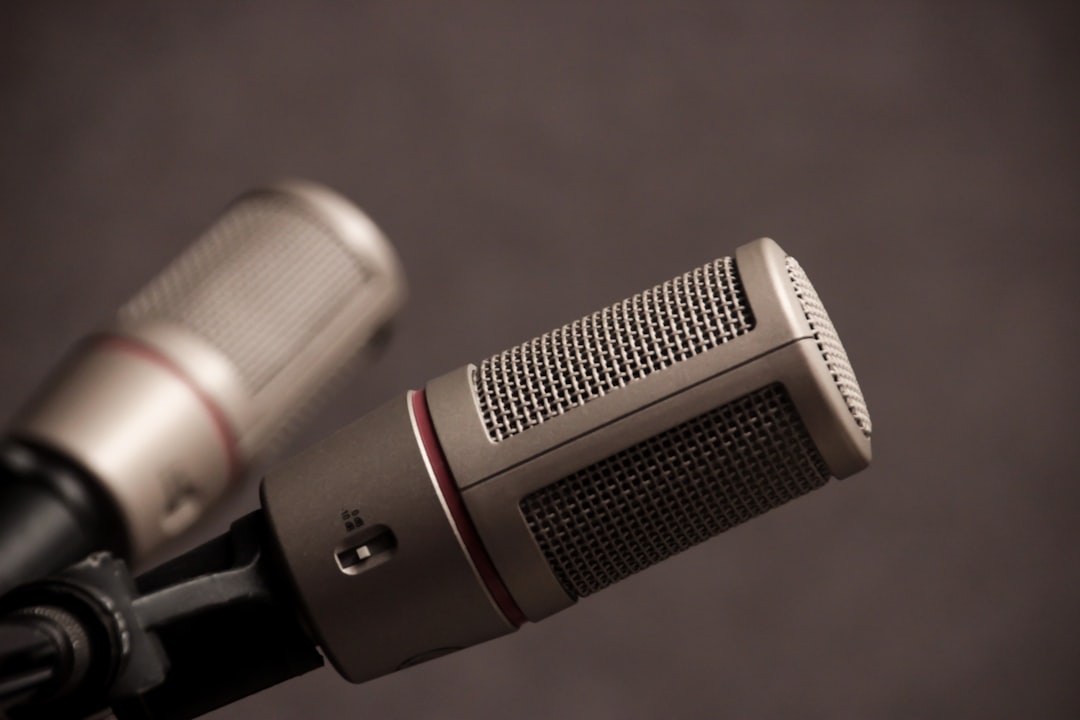
Cardioid pickup pattern. Focuses on sound directly in front of the microphone, reduces background noise and echo from behind.
Decent frequency response. 50Hz-15kHz covers human voice range. You don't need studio microphone specifications for dictation.
Close positioning. Microphones positioned 4-6 inches from your mouth capture clearer audio than microphones across your desk.
The expensive studio microphones musicians use are overkill for dictation. A 30-50 dollar USB microphone performs nearly as well as a 200 dollar microphone for speech recognition.
The Microphones That Actually Work
These USB microphones work well for dictation (no affiliation, just what works):
Blue Snowball iCE (40 dollars). Decent cardioid USB microphone. Simple, reliable, widely available. Good entry point.
Audio-Technica ATR2100x-USB (50 dollars). Popular for podcasting, works well for dictation. USB and XLR outputs if you later want professional audio setup.
Samson Q2U (50 dollars). Similar to ATR2100x. USB and XLR outputs. Cardioid pattern reduces background noise.
Any of these work well. The differences between them matter less than the difference between using any of these versus your laptop's built-in microphone.
Your laptop's built-in microphone works but isn't optimal. Background noise, distance from mouth, and mediocre quality all hurt accuracy. Upgrading to a 40-50 dollar USB microphone typically improves accuracy by 10-15 percent.
Dragon-Branded Microphones Aren't Necessary
Nuance sold "Dragon-optimized" microphones for years. The implication was that Dragon worked better with Dragon-branded hardware. Marketing, not technical reality.
Dragon-branded microphones were rebranded generic USB microphones with Dragon logos and higher prices. A 40 dollar generic USB microphone rebranded as "Dragon Microphone" for 80 dollars.
Dragon works with any USB microphone meeting basic specifications. You don't need Dragon-specific hardware. The Dragon branding added cost without improving functionality.
Microsoft now owns Dragon but doesn't push Dragon-branded microphones. The Dragon-specific hardware marketing mostly disappeared after the acquisition.
Headset vs Desktop Microphones
Headset microphones (over-ear or on-ear with boom microphone) position the microphone consistently near your mouth. Good for maintaining consistent audio quality and reducing background noise.
Desktop microphones sit on your desk. You need to position them correctly (4-6 inches from mouth, pointed at you). More flexible for different working positions, but requires conscious positioning.
For dictation, either works. Headsets provide more consistent positioning. Desktop microphones are less physically constraining. Personal preference matters more than which type is objectively better.
I use a desktop USB microphone positioned on my desk pointing at my face. Works well for my setup. Headsets feel constraining during long dictation sessions. Your preferences may differ.
Why Microphone Quality Matters More Than Software
Poor audio quality hurts all speech recognition - Dragon, AI alternatives, everything. If the microphone captures muffled or noisy audio, no software can fully compensate.
Good microphone audio helps all speech recognition. Clean clear audio is easier for any system to transcribe accurately.
Before blaming dictation software for poor accuracy, try a better microphone. It's the cheapest upgrade (40-50 dollars) that makes the biggest accuracy difference (often 10-15 percent improvement).
This applies whether you're using Dragon, AI voice recognition, or anything else. Microphone quality is foundational.
What I Actually Use
I use Dictation Daddy for everything - emails, documents, articles, notes, all writing tasks. I have obvious bias (I built it), but microphone setup matters:
I use a Samson Q2U USB microphone positioned 4-6 inches from my mouth on a small desktop stand. Cost 50 dollars. Works consistently.
96-98 percent accuracy with good microphone audio. The automatic formatting means I focus on content instead of punctuation commands.
You can still use formatting commands like "new line" or "comma" when needed, but the AI handles most formatting automatically. False starts and self-corrections are handled naturally.
Technical terminology works immediately. Medical terms, legal jargon, industry vocabulary all work from day one without training.
Available on Windows, Mac, iPhone, Android, and Chrome extension. The apps don't sync between devices, but you have consistent dictation everywhere. Under 100 dollars per year. For enterprises needing SOC2 or HIPAA compliance, there's a dedicated plan.
The same 50 dollar microphone works for all platforms. Good audio helps everything.
When Expensive Microphones Make Sense
For most dictation users, 40-50 dollar USB microphones provide excellent results. Spending 200-300 dollars on studio microphones rarely improves dictation accuracy enough to justify the cost.
Expensive microphones make sense for:
Professional audio recording. Musicians, podcasters, voice actors need studio quality. Dictation users don't.
Extremely noisy environments. If you're dictating in loud environments regularly, expensive microphones with better noise rejection help. But quieter environments are cheaper than expensive microphones.
Professional broadcasting. If you're recording content for public distribution where audio quality matters for listener experience, studio microphones are worth it.
For dictation where accuracy matters but audio quality for listeners doesn't, 40-50 dollar USB microphones are the sweet spot.
The Uncomfortable Truth
The "dragon dictation microphone" question reveals how Nuance marketed Dragon with branded accessories at markup prices. The Dragon-branded microphones weren't technically superior, just branded differently.
You don't need Dragon-specific microphones. You need a decent USB microphone, which costs 40-50 dollars from any manufacturer.
Microphone quality matters more than which dictation software you use. Good audio helps Dragon, helps AI alternatives, helps everything. Poor audio hurts everything.
Before spending 500 dollars on Dragon Professional, spend 50 dollars on a decent USB microphone. You'll improve accuracy for any dictation software, and the microphone will outlast whatever software you're using.
The microphone is the part of dictation setup that actually matters. The Dragon branding on microphones was marketing, not technical necessity.
Last updated: January 16, 2026, verified with current USB microphone options and dictation requirements