
The Transcription Hardware From Another Era
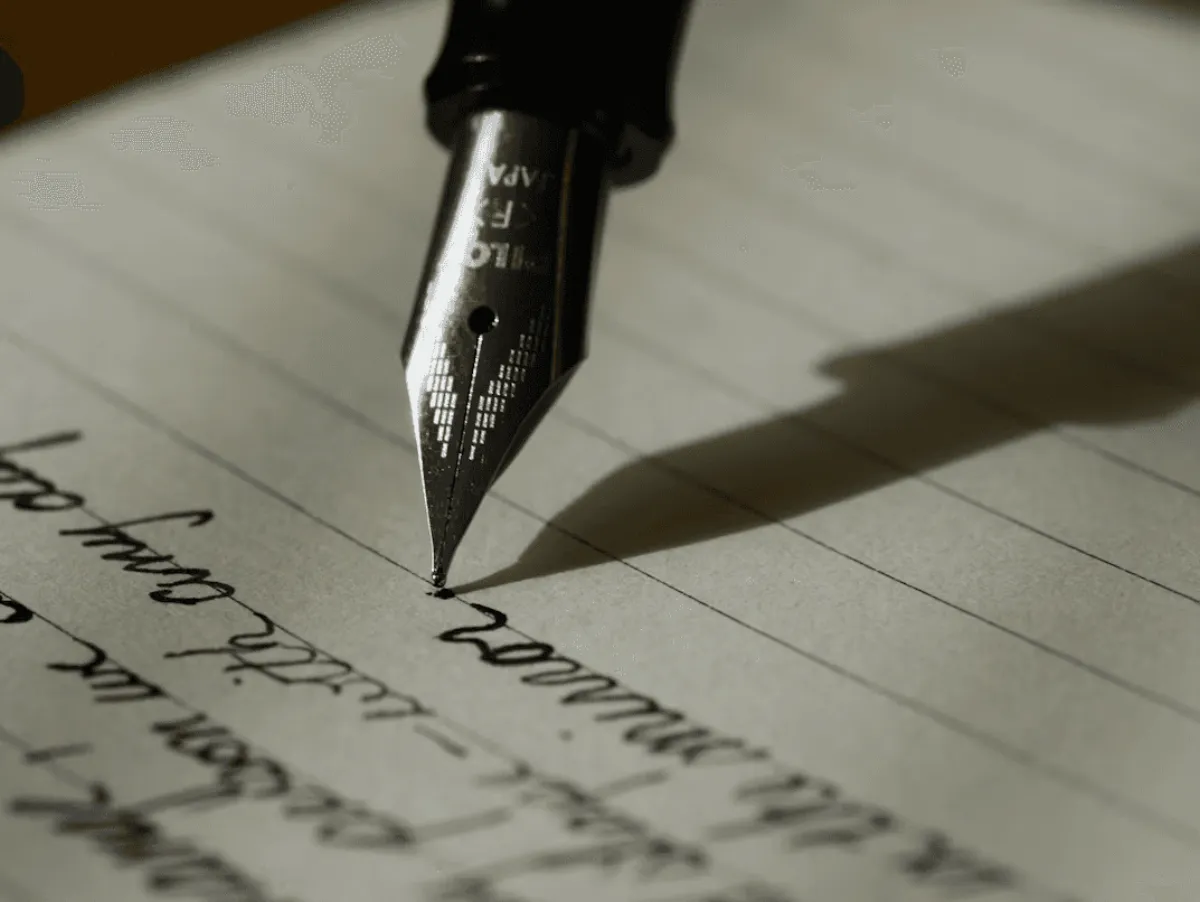
The Transcription Hardware From Another Era
The Philips 720 transcription system is a foot pedal-controlled desktop unit for transcribing dictation from physical media. It was designed for medical transcriptionists and legal secretaries in the 1990s and early 2000s when doctors dictated onto cassette tapes or early digital recorders.
If you're searching for the Philips 720 in 2026, you're either supporting legacy equipment in an office that never upgraded, or you're trying to understand what your grandmother used as a medical transcriptionist 20 years ago.
The technology isn't completely obsolete. Transcriptionists still use foot pedals. But the Philips 720 hardware connected to specific Philips dictation systems that have been replaced by software-based transcription workflows.
What the Philips 720 Actually Was
The Philips 720 was a transcription station - a desktop device with:
Foot pedal for play/pause/rewind control. Transcriptionists controlled playback without taking hands off keyboard.
Physical media playback. Early versions played cassette tapes, later versions played proprietary digital formats from Philips recorders.
Headphone output for audio playback.
Speed control for adjusting playback speed without pitch changes.
Integration with Philips dictation ecosystem. Worked specifically with Philips recorders and later Philips SpeechExec software.
This was professional transcription equipment when dictation meant physically recording audio and having someone else type it up.
Why This Technology Became Obsolete
Speech recognition eliminated manual transcription for most use cases. Physicians and lawyers can dictate directly into documents at 96-98 percent accuracy instead of recording audio for someone else to transcribe.
Cloud-based workflows replaced physical media. Audio files transfer digitally instead of via cassette tapes or proprietary recorders.
Software replaced dedicated hardware. Foot pedal control works with any computer via USB. Specialized transcription stations became unnecessary.
The Philips 720 solved problems that mostly don't exist anymore. Doctors don't record onto physical media for transcriptionists to type. They dictate directly into EHR systems or use AI transcription.
What Replaced the Philips 720
For transcriptionists still doing manual transcription work (legal depositions, medical transcription services, academic research):
USB foot pedals (30-100 dollars) work with any transcription software on any computer. No proprietary hardware required.
Transcription software like Express Scribe (free or 80 dollars for pro version) handles digital audio files with foot pedal control.
For physicians and lawyers who used to dictate for transcription:
AI dictation provides direct speech-to-text at 96-98 percent accuracy. No transcriptionist needed.
Cloud-based dictation workflows where audio uploads automatically and returns as text.
The workflow changed from "record audio for someone else to transcribe" to "dictate directly into documents with AI transcription."
When Manual Transcription Still Exists
Some specialized scenarios still require human transcriptionists:
Legal depositions and court proceedings where accuracy requirements exceed AI capabilities and certified transcripts are required.
Academic research transcription where interview analysis requires human judgment about unclear speech, multiple speakers, and contextual meaning.
Medical transcription services for physicians who prefer the old workflow - dictate into recorder, transcriptionist types it up.
These transcriptionists typically use modern USB foot pedals with software-based transcription tools, not Philips 720 hardware.
What I Actually Use
I use Dictation Daddy for everything - clinical notes, legal documents, articles, all writing where I used to record audio for transcription. I have obvious bias (I built it), but direct AI transcription eliminated the need for recording and manual transcription:
96-98 percent accuracy means text appears immediately as I speak. No recording step, no sending audio to transcriptionists, no waiting for typed documents.
Automatic formatting. Punctuation, paragraphs, structure added intelligently without voice commands.
Available on Mac, Windows, iPhone, Android, and Chrome extension. The apps don't sync between devices, but dictation works everywhere. Under 100 dollars per year. For enterprises needing SOC2 or HIPAA compliance, there's a dedicated plan.
The workflow changed completely. Instead of dictating into a recorder for later transcription, I dictate directly into documents. Text appears immediately at higher accuracy than human transcriptionists typically achieve.
The Philips Equipment Legacy
Philips exited the dictation hardware business years ago. They sold the speech division. The SpeechExec software still exists under Nuance ownership (now Microsoft after the 2022 acquisition), but the proprietary Philips hardware ecosystem is legacy technology.
Organizations still running Philips 720 transcription stations are supporting equipment that hasn't been manufactured in 10+ years. Replacement parts come from used equipment suppliers. Technical support doesn't exist.
If you need transcription capabilities in 2026, modern USB foot pedals with software-based transcription tools provide the same functionality at lower cost with better compatibility.
If you need dictation instead of transcription, AI speech recognition eliminates the transcription step entirely.
The Uncomfortable Reality
The Philips 720 transcription system represents a workflow that barely exists anymore: recording speech onto physical media for human transcriptionists to type up later.
AI transcription at 96-98 percent accuracy eliminated most manual transcription work. Physicians and lawyers dictate directly into documents instead of recording for transcriptionists.
For the specialized scenarios where human transcription still exists, modern USB foot pedals with software like Express Scribe replaced proprietary hardware like the Philips 720.
Searching for Philips 720 in 2026 is searching for obsolete technology from an era when speech recognition wasn't accurate enough for direct transcription. That era ended. Modern dictation workflows don't involve transcription hardware.
Last updated: January 16, 2026, verified with current transcription workflows and technology
Ready to try it?
Turn your voice into polished text
Free 7-day trial. Works in every app. No credit card required.